
 Best Seller Most Popular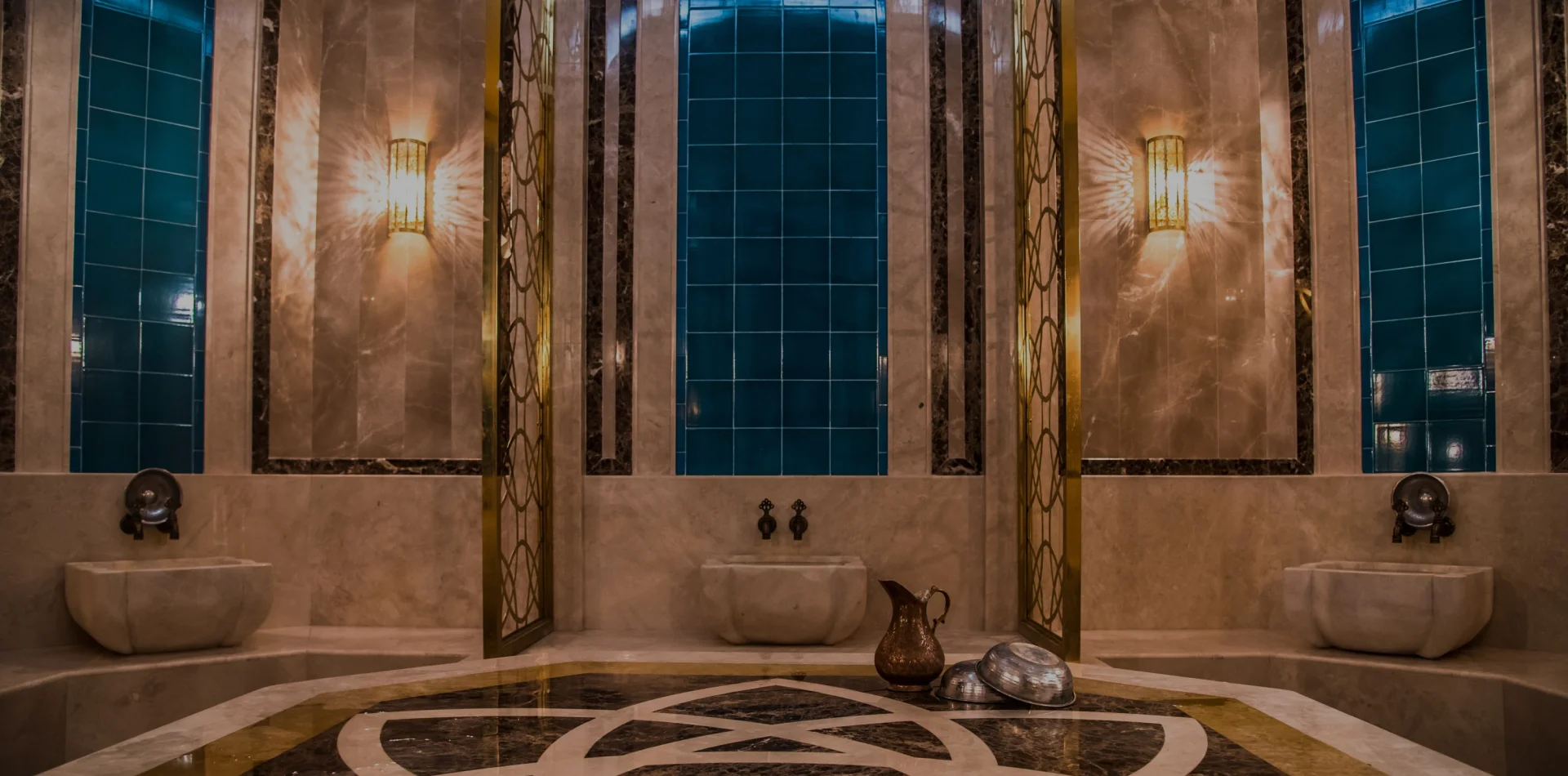
Historical Turkish Baths in Istanbul
Step inside centuries-old Ottoman hamams where sultans once bathed. Marble domes, heated stone platforms and time-honored rituals await.
Ottoman Bathing Heritage
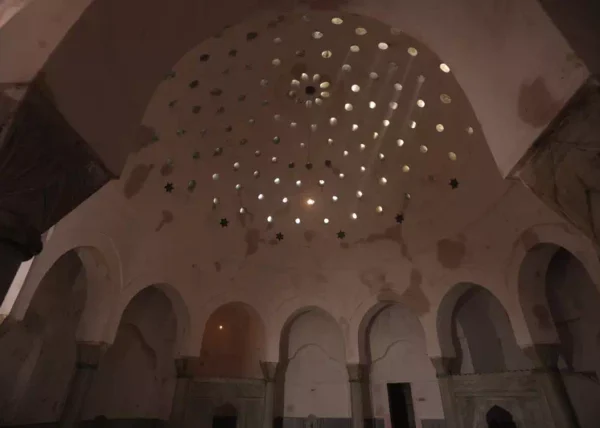
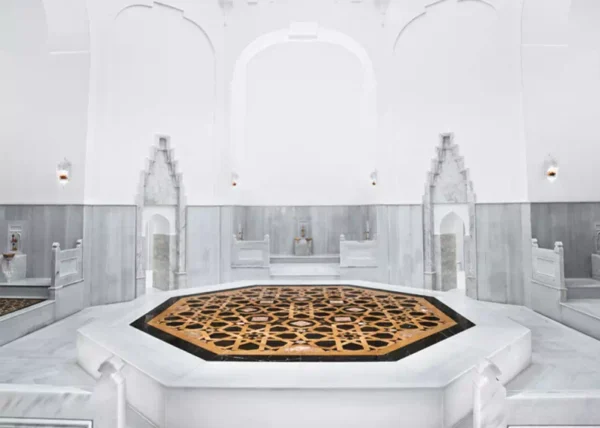
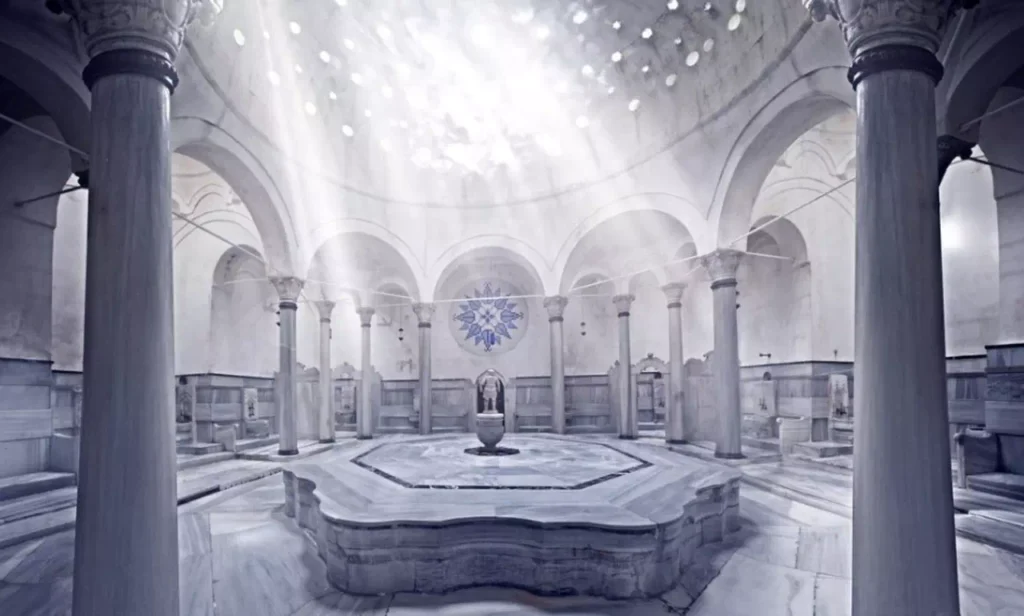
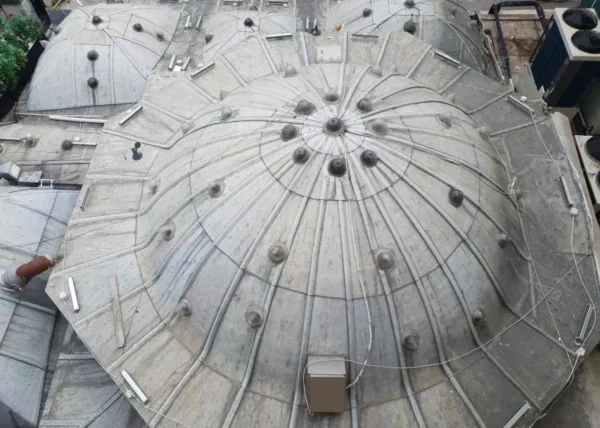
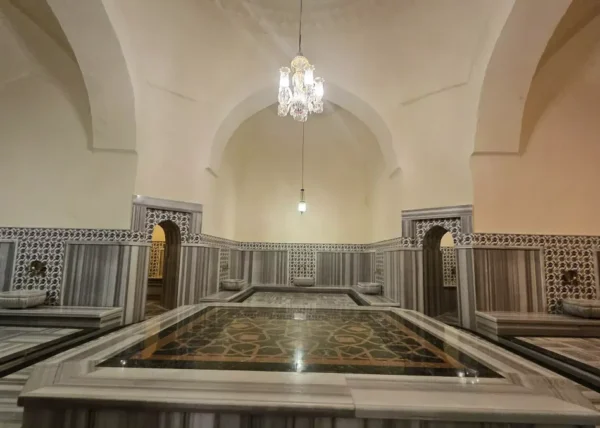
Istanbul's historical hamams are living monuments to Ottoman civilization. Built by master architects like Mimar Sinan, these bathhouses feature soaring domed ceilings pierced with star-shaped skylights, intricate marble work, and heated stone platforms (gobektasi) that have warmed bathers for centuries.
The tradition of the Turkish bath in Istanbul dates back to the conquest of Constantinople in 1453. Sultan Mehmed II commissioned the first Ottoman hamams in the city, and by the 17th century, Istanbul had more than 300 active bathhouses serving every neighbourhood.
What Makes a Historical Hamam Special
- Architecture: Domed ceilings with elephant-eye skylights that cast natural light onto marble surfaces
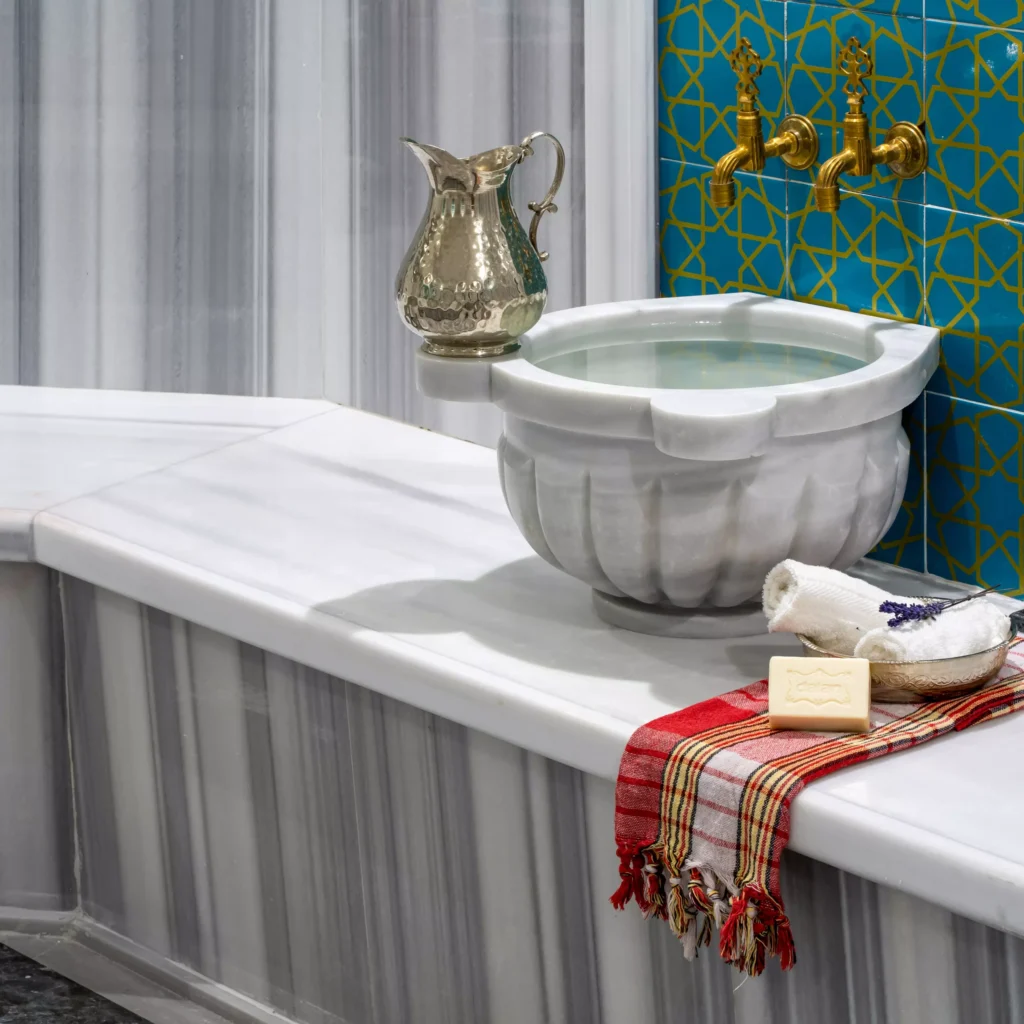
- Gobektasi: The central heated marble platform, the heart of every traditional hamam
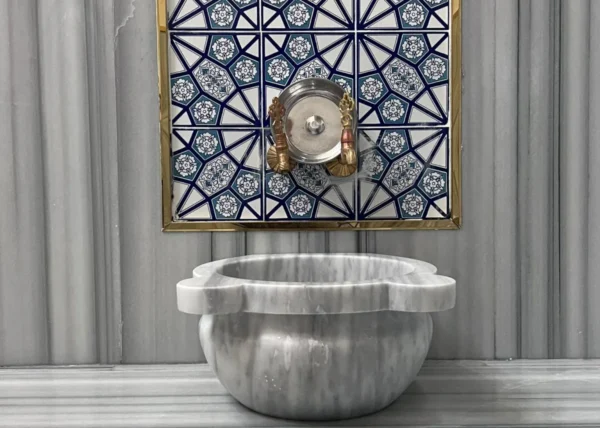
- Kurnas: Individual marble basins with hot and cold water taps along the walls
- Atmosphere: The sound of water echoing through stone chambers, steam rising through light beams
Famous Historical Hamams
Cagaloglu Hamam (1741) is one of the last great Ottoman bathhouses, built during the reign of Sultan Mahmud I. Florence Nightingale, Kaiser Wilhelm II, and King Edward VIII all bathed here. Its dual structure (separate men's and women's sections) is considered a masterpiece of late Ottoman architecture.
Cemberlitas Hamam (1584) was designed by the legendary architect Mimar Sinan for Nurbanu Sultan, mother of Sultan Murad III. The twin domes and elegant interior make it one of the most photographed hamams in Istanbul.
Hurrem Sultan Hamam (c. 1557) sits between Hagia Sophia and the Blue Mosque, commissioned by Suleiman the Magnificent for his beloved wife Hurrem Sultan (Roxelana). After a meticulous restoration, it reopened as one of the most luxurious bathing experiences in the city.
Frequently Asked Questions
The oldest hamams in our collection date back to the 15th century. Most were built between 1450 and 1750 during the height of the Ottoman Empire.
Yes. All historical hamams on our platform undergo regular maintenance and restoration to preserve their heritage while meeting modern hygiene standards.
The core ritual (warm-up, scrub, foam massage, cool-down) is the same, but historical hamams offer a more atmospheric setting with original marble work, heated stone platforms and traditional architecture.


Instant Confirmation
Book your hamam experience online and receive instant confirmation. No waiting, no uncertainty.
Free Cancellation
Plans change. Cancel your booking up to 24 hours before your appointment at no charge.
Secure Payment
All payments are processed securely via Stripe with SSL encryption. Your data is safe.
7/24 Support
Questions? Our team is available around the clock via WhatsApp, email and phone.