
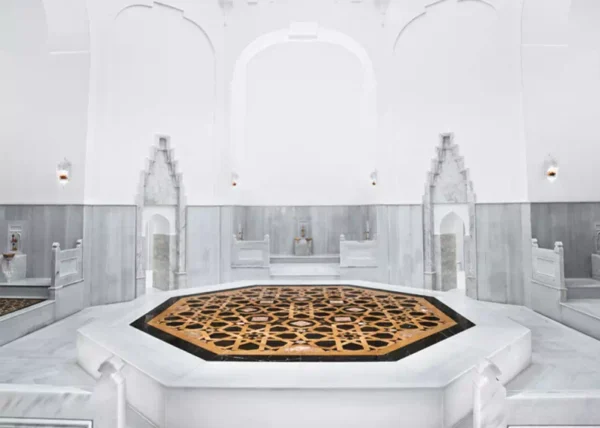
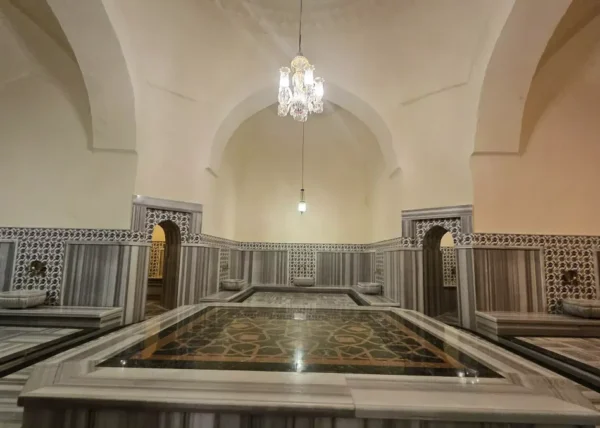
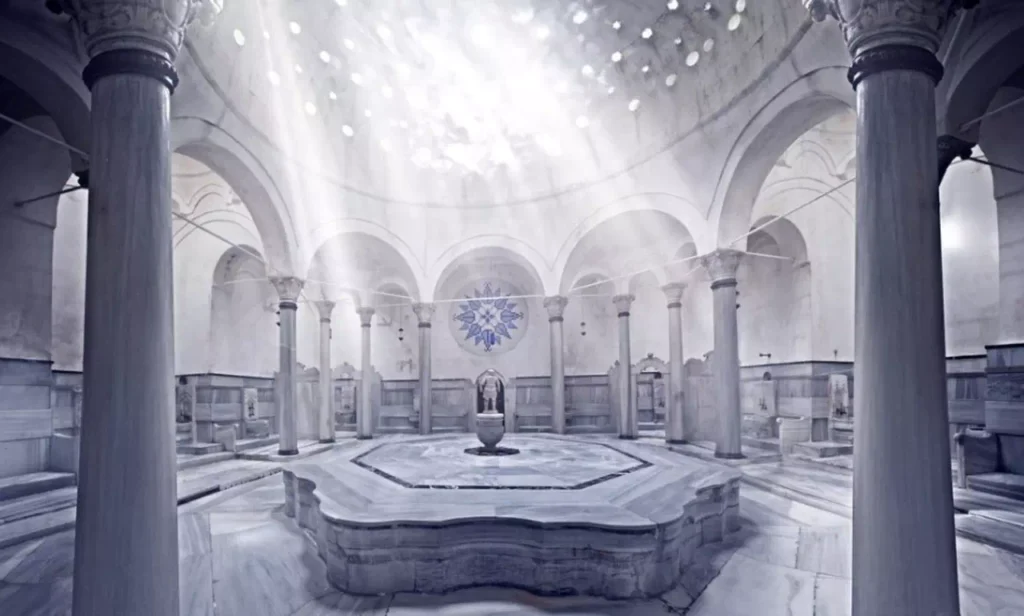


The choice comes down to one question, do you want the ritual as the Ottomans knew it, under a dome that has steamed for four centuries, or the same treatments delivered with spa lighting, private rooms and a robe that has never met the 16th century? Both are real hammams. They simply serve different guests. The table settles the practical differences, and the sections below tell you which side of it you belong on.
| Historic hammam | Modern hammam and spa | |
| Setting | Ottoman monuments, marble domes with star cut skylights | Hotel spas and contemporary bathhouses |
| Built | 15th to 18th century, many by court architects | Recent decades |
| Atmosphere | Echoing, communal, steeped in history | Quiet, controlled, private |
| The ritual | Classic kese scrub and foam wash on the hot central stone | Same core treatments, often with added spa menus and oils |
| Bathing style | Communal, separated by gender | Often private rooms or couples’ sessions |
| Comfort level | Authentic, which means hot marble and old stone | Climate control, loungers, modern showers |
| Price | Wide range, monument houses at a premium | Generally hotel spa pricing |
| Best for | First timers who want the real thing, history lovers | Privacy seekers, couples, spa habitués |
What Makes a Historic Hammam Different?
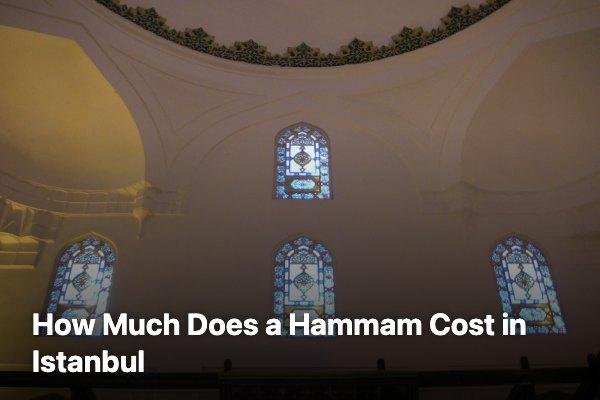
The building does half the work. Bathing under the pierced dome of a working Ottoman monument, on a heated marble stone polished by centuries of bathers, is an atmosphere no new construction can imitate. The Çemberlitaş Hammam was raised in 1584 by Mimar Sinan, the empire’s greatest architect. The Cağaloğlu Hammam of 1741 was the last great bath the empire built and still runs on its original plan. The Hürrem Sultan Hammam beside Hagia Sophia was commissioned for Süleyman’s queen herself. In these rooms the scrub is the same one your attendant’s predecessors gave viziers, and the light falling through the star shaped skylights has not changed since.
What Does a Modern Hammam Do Better?
Comfort, control and privacy. Modern bathhouses and hotel spas keep the core of the ritual, the heat, the kese, the foam, and rebuild everything around it for contemporary expectations, adjustable temperatures, private treatment rooms, couples bathing together, extended spa menus with massages and oils, and loungers that acknowledge the existence of the lower back. If shared marble with strangers is the one thing standing between you and your first hammam, the modern route removes it. Nothing about that is inauthentic, Istanbul has always updated its baths, it is simply the ritual with the edges cushioned.
Which Hammam Should You Choose?
- First time in Istanbul, want the story you will retell. Historic, without hesitation. The monument is the memory.
- Travelling as a couple and want to bathe together. Modern, or a historic house offering private sessions, since traditional bathing separates genders.
- History lover, architecture lover, or both. Historic, and pick by architect, Sinan’s dome at Çemberlitaş is reason enough on its own.
- Sensitive to heat, crowds or hard surfaces. Modern, where every variable adjusts.
- After a serious massage alongside the scrub. Modern spas carry the deeper treatment menus.
- On a budget. Neighbourhood historic hammams outside the tourist core give the full ritual at local prices, ask us which are welcoming to visitors.
Can You Do Both?
The connoisseur’s answer is yes, in that order. Take the classic scrub in a historic house early in your trip, when your travel weary shoulders need it most and the atmosphere lands hardest, then finish the holiday with a leisurely modern spa afternoon to compare. The two versions of the ritual explain each other, and our overview of Istanbul’s hammams lays out the best of each side. Whichever you choose first, book a day or two ahead, the famous domes and the best spa slots fill at the same speed.
评论 0
暂无评论。成为第一个分享想法的人!